
Uncategorized
Are Flying Horse Carts Real THC? A Complete Guide
Oct
Are Flying Horse Carts Real THC
Are Flying Horse carts real THC? The answer depends on the specific product, its formulation, and whether reliable laboratory testing confirms its ingredients. Flying Horse products are advertised in different varieties, and the brand name alone cannot establish whether a particular cartridge contains delta-9 THC, other cannabinoids, or a combination of compounds.
This guide explains what Flying Horse carts may contain, how THC differs from other cannabinoids, and how to evaluate product labels and laboratory reports.
What Are Flying Horse Carts?
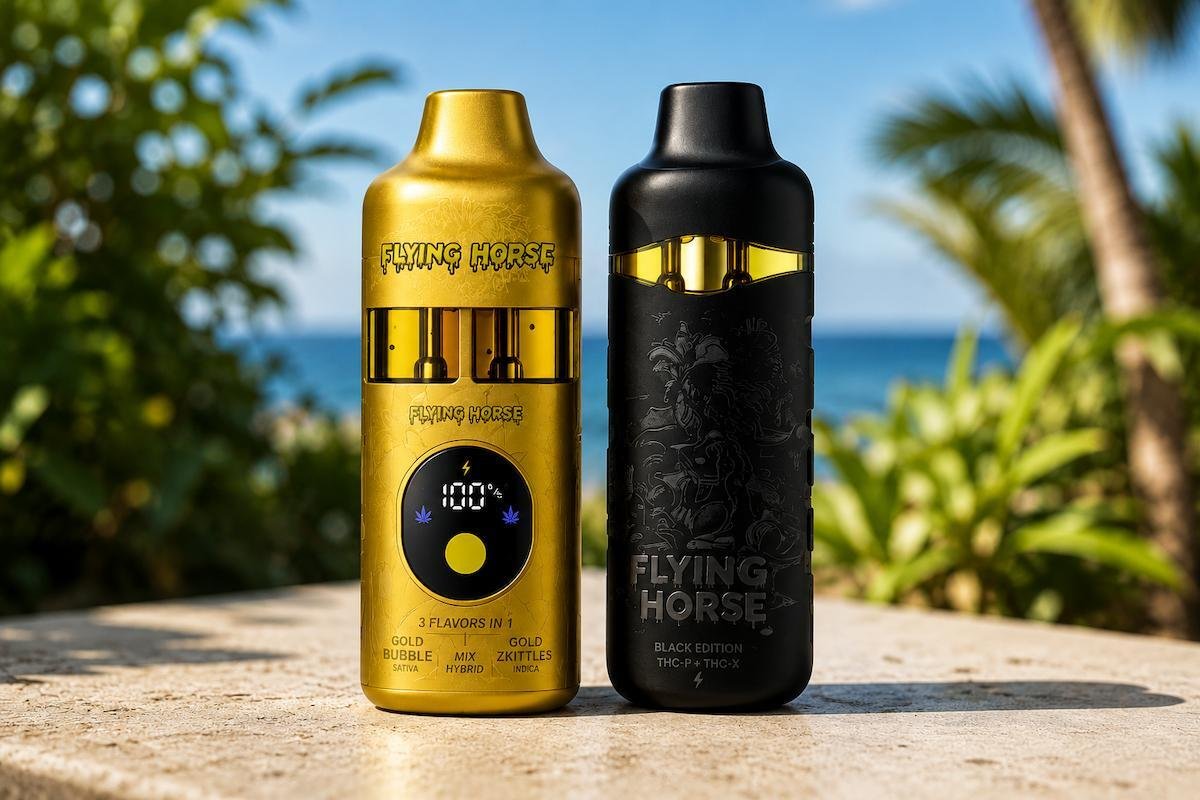
Flying Horse carts are vape products marketed under the Flying Horse brand. Online listings describe different product lines, including multi-cannabinoid blends and disposable vape devices. However, formulations and specifications can vary between models and sellers.
Some listings mention compounds such as delta-8 THC, THCP, or other cannabinoids. These ingredients are not interchangeable, so consumers should avoid assuming that every Flying Horse cartridge contains the same formulation.
When researching Flying Horse carts and THC content, check the exact product name, ingredient declaration, batch information, and available testing documentation instead of relying exclusively on marketing descriptions.
Do Flying Horse Carts Contain Real Delta-9 THC?
Some Flying Horse products may be marketed as containing THC or related cannabinoids. However, it is not possible to confirm the contents of every cartridge based solely on its name or packaging.
Delta-9 THC is the primary intoxicating cannabinoid commonly associated with cannabis. A product containing delta-8 THC or THCP is not necessarily equivalent to one containing delta-9 THC. Similarly, a label describing a product as a THC blend does not establish the concentration of each individual compound.
To investigate whether a specific Flying Horse cart contains delta-9 THC, look for a credible certificate of analysis (COA). The report should identify the tested sample and provide cannabinoid results, including the delta-9 THC concentration where applicable.
Understanding THC, THCP, and Delta-8
Understanding the terminology used on vape cartridge labels can help consumers interpret product claims.
- Delta-9 THC: A well-known intoxicating cannabinoid found naturally in cannabis.
- Delta-8 THC: A related intoxicating cannabinoid with different chemical properties and a less extensive research base.
- THCP: A cannabinoid that has attracted scientific interest, although evidence about its effects and risks in humans remains limited.
- THCA: A cannabinoid precursor that can convert into THC when heated.
A label listing THCP or delta-8 THC does not, by itself, prove that the cartridge contains delta-9 THC. Consumers should also be cautious of vague phrases such as “premium blend” or “high potency” when the exact ingredients and concentrations are not disclosed.
How to Check Flying Horse Cart THC Content
If you want to investigate a specific Flying Horse cartridge, follow these steps.
1. Read the label. Look for the product name, listed cannabinoids, ingredients, batch number, and manufacturer or distributor information.
2. Locate laboratory testing. Search for a certificate of analysis from an identifiable laboratory. The report should include the sample details, testing date, and cannabinoid results.
3. Match the batch number. Check that the laboratory report corresponds to the exact product and batch you are investigating.
4. Verify the report. Where possible, contact the laboratory using independently verified contact details. A QR code or laboratory logo alone is not proof of authenticity.
5. Be cautious of unsupported claims. Retailer descriptions, product photographs, and professional packaging cannot independently establish the contents of a cartridge.
Are Flying Horse Carts Safe?
A cartridge’s safety cannot be determined simply by whether it contains THC. Intoxicating cannabinoids can impair coordination, concentration, and judgment, and may cause anxiety, dizziness, confusion, or other adverse effects.
Products from unverified sources may have uncertain ingredients, potency, or contamination risks. Do not use a cartridge if its origin or contents cannot be reliably established. Avoid driving or operating machinery after exposure to intoxicating substances, and keep vape products away from children and pets.
The legal status of THC and related cannabinoids varies by jurisdiction. Check applicable laws before possessing, purchasing, or using these products.
Frequently Asked Questions
Are Flying Horse carts real THC?
Some products are marketed as containing THC or related cannabinoids, but the composition of a specific cartridge requires reliable product documentation and appropriate laboratory testing.
Do all Flying Horse carts contain delta-9 THC?
This cannot be confirmed for every model or batch. Formulations may differ.
Can oil color prove that a Flying Horse cart contains real THC?
No. Color, thickness, and smell cannot reliably identify cannabinoids or establish product authenticity.
How can I check Flying Horse cart lab results?
Look for a credible laboratory report and verify that its sample and batch details match the exact product. A report for one sample does not prove the contents of every cartridge.
Conclusion
So, are Flying Horse carts real THC? The answer depends on the particular product and its verified formulation. A brand name, product description, or attractive package is not proof of delta-9 THC content. Checking the label, matching batch information, and reviewing credible laboratory results are more reliable ways to investigate what a cartridge contains.
Disclaimer: This article is for educational purposes only. It does not certify any Flying Horse product, verify the contents of an individual cartridge, or provide medical advice.
