
Uncategorized
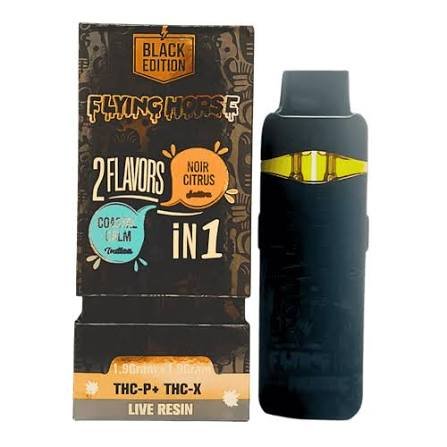
How to Read a Vape Cartridge Label: A Complete Guide to Flying Horse Carts
Oct
How to Read a Vape Cartridge Label
How to read a vape cartridge label is an important step in evaluating product information, identifying potential warning signs, and making informed decisions. Whether you are researching Flying Horse carts, comparing cartridge labels, or learning about vape product safety, knowing what the information means can help you assess a product more carefully. Vape cartridge labels may include ingredient details, cannabinoid concentrations, batch numbers, manufacturer information, and safety warnings. However, packaging alone cannot prove that a product is authentic or safe.
1. Check the Product Name and Type
Start by reading the product name and identifying what type of cartridge or vape product it claims to be. Some labels describe the cartridge format, formulation, flavor, or intended device compatibility.
When researching Flying Horse carts, compare the product name and description with information from a verifiable official brand source, where available. Be cautious if the name on the packaging differs from accompanying documentation or if the seller cannot explain the discrepancy.
A familiar logo or professional-looking design is not enough to establish authenticity because counterfeit packaging can imitate legitimate branding.
2. Understand Cannabinoid Content and Potency
Some vape cartridge labels list cannabinoids such as THC, CBD, or other compounds. The label may express the amount as a percentage, milligrams per gram, or total milligrams per package.
These measurements are not interchangeable without considering the quantity and units involved. For example, a percentage describes a proportion, while milligrams describe an amount. Always check whether the stated value applies to the entire cartridge or a particular quantity of its contents.
When reading a Flying Horse cart label, do not assume that a high potency figure guarantees quality, purity, or a particular experience. Claims should be supported by credible documentation, ideally from an independently verifiable laboratory.
3. Read the Ingredients List
Ingredient information helps you understand what a product claims to contain. Depending on the formulation and local labeling requirements, a vape cartridge label may list cannabinoids, carrier ingredients, flavoring substances, or other additives.
Look for clearly identified ingredients and be cautious when the label is incomplete, inconsistent, or uses vague descriptions. If an ingredient is unfamiliar, research it through reliable sources or consult a qualified healthcare professional.
Do not assume that a product is safe simply because its ingredients appear on the packaging. Labels can be inaccurate, incomplete, or counterfeit.
4. Check Batch Numbers and Manufacturing Details
Batch numbers, lot codes, manufacturing dates, and other identification details may help trace a product through its supply chain. Their format varies by manufacturer and jurisdiction.
For consumers researching Flying Horse carts authenticity, a batch number can be a useful starting point when contacting the manufacturer or a verified distributor. If the brand offers an official verification service, use that service directly.
A printed code or QR code is not definitive proof of authenticity. Codes can be copied, and a QR code may lead to an unofficial website. Check the destination carefully before entering personal information.
5. Look for Laboratory Testing Information
A certificate of analysis, or COA, may provide information about laboratory testing. Depending on the product and applicable standards, a report may cover cannabinoid content, residual solvents, pesticides, heavy metals, or other contaminants.
Check that the report identifies the laboratory, testing date, sample, and relevant batch. Where possible, verify the report directly with the laboratory using independently sourced contact information.
For Flying Horse vape cartridges, do not treat an unverified laboratory logo or document as proof of product quality. A report is only useful when its origin and relevance to the product can be established.
6. Understand Warnings and Regulatory Information
Vape cartridge labels may include age restrictions, health warnings, storage instructions, and legal information. Requirements vary by location and product category.
Pay attention to warnings concerning nicotine, THC, or other active ingredients where applicable. Products containing regulated substances may be subject to specific restrictions on possession, sale, distribution, and labeling. Check the laws that apply in your area.
Keep vape products away from children and pets, and never assume that a product is appropriate for use simply because it is available online.
7. Recognize Potential Warning Signs
Be cautious if a label has misspellings, missing ingredient information, conflicting potency claims, unreadable batch codes, or no verifiable manufacturer details. Unusually low prices and unsupported claims of guaranteed authenticity may also warrant further investigation.
These signs do not automatically prove a product is counterfeit, just as polished packaging does not prove it is genuine. If the contents or origin of a cartridge cannot be verified, avoid using it.
Frequently Asked Questions
How do I read a vape cartridge label?
Check the product name, ingredients, cannabinoid measurements, batch information, laboratory documentation, and safety warnings.
Can a label prove that Flying Horse carts are genuine?
No. Packaging and printed codes can be copied. Seek independent verification through a reliable brand source or verified distributor.
What does a vape cartridge potency percentage mean?
It indicates the proportion of a stated substance in the tested material, but you must check the units and whether the figure applies to the oil, cartridge, or entire package.
Conclusion
Learning how to read a vape cartridge label helps you evaluate product claims and recognize potential inconsistencies. When researching Flying Horse carts, examine the ingredient list, potency information, batch identification, testing documentation, and seller credentials rather than relying on branding alone.
Safety note: This article is for educational purposes and does not verify any specific product. Vape products may carry health risks, and labels do not guarantee safety or authenticity. Follow applicable laws and seek reliable, independent information before making decisions.
